
The scent of lemongrass and kaffir lime leaves drifts through the morning air as vendors in Bangkok’s Old Town prepare fresh curries and stir-fries. For travelers seeking vegan thai food bangkok has become an unexpected paradise, where centuries of Buddhist cuisine traditions meet modern plant-based innovation. Whether you are landing at 8 AM after an overnight flight or exploring the Grand Palace grounds at sunset, you will find that Thai cuisine already contains a remarkable foundation of plant-based dishes waiting to be discovered.
This guide is designed for the health-conscious European traveler, particularly those from Germany and neighboring countries, who wants to navigate Bangkok’s vegan food scene with confidence and cultural understanding. We will explore why the Old Town, known as Rattanakosin, represents one of the most rewarding areas for plant-based Thai dining, and introduce you to destinations like Samsen Center where you can enjoy vegan breakfast, lunch, and dinner from 7 AM until 1 AM daily.
Why Bangkok’s Old Town is a Vegan Thai Food Paradise
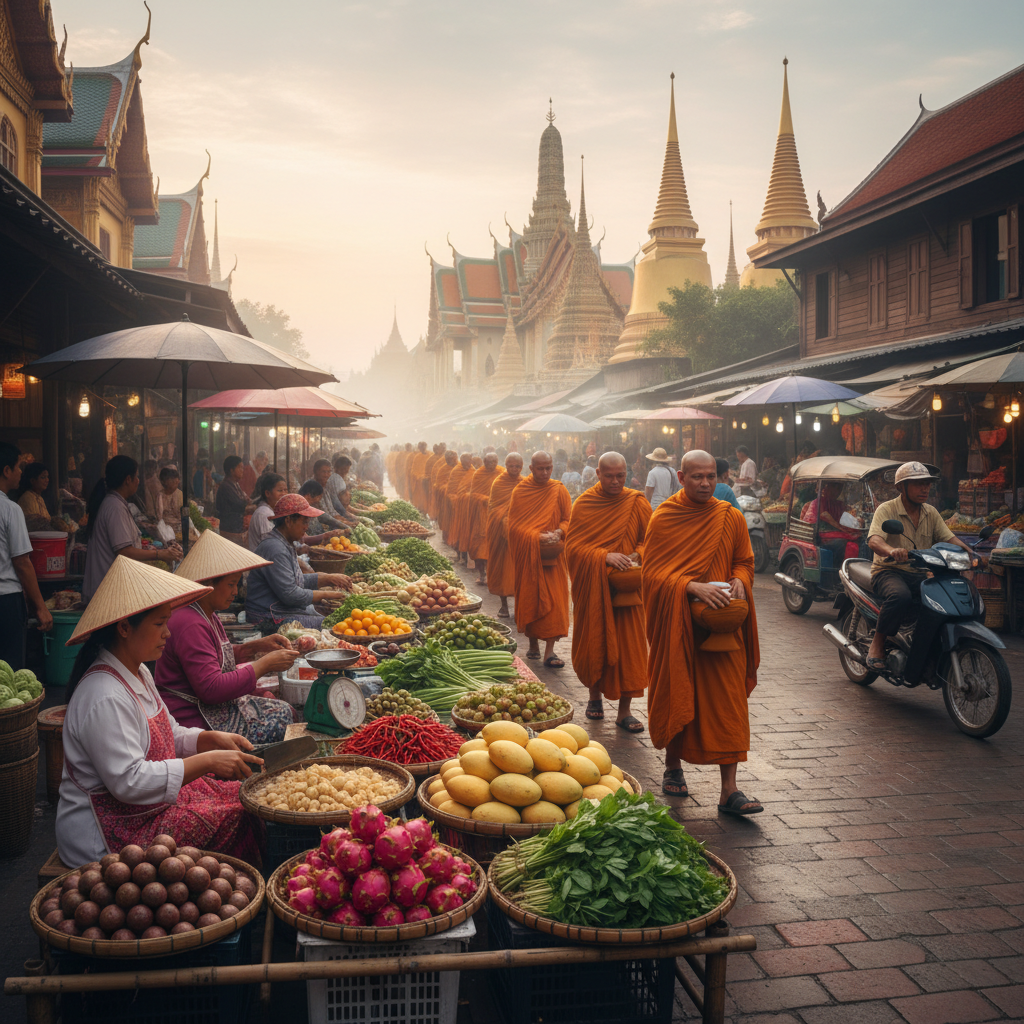
The area surrounding Khao San Road and the Grand Palace encompasses what locals call Rattanakosin Island, the historic heart of Bangkok where Thai royalty built their temples, palaces, and administrative centers. This concentration of religious and cultural significance created unexpected conditions for vegan cuisine to flourish, and those conditions remain visible today.
Thai Buddhism has long encouraged vegetarian practices, particularly during Buddhist Lent and on special religious days. This spiritual tradition gave rise to temple kitchens that developed sophisticated plant-based cooking techniques over generations. The ingredients these temples used came from the surrounding neighborhoods, where fresh markets operated daily and local farmers delivered herbs, vegetables, and fruits before dawn. When monks prepared food for alms rounds or communal temple meals, they created dishes that emphasized flavor complexity without relying on meat or dairy.
Walking through the Old Town today, you can still sense this heritage in the neighborhood layout. Small shrines sit beside vegetable vendors. Temple gates open onto streets lined with herb sellers. The proximity of these spiritual, agricultural, and culinary traditions means that authentic vegan thai food in bangkok old town is not difficult to find, but it does require knowing where to look and how to ask.
For visitors staying near Khao San Road or exploring the Grand Palace, this geographic concentration works to your advantage. You can access multiple excellent dining options within a short walk, from street food stalls adapted for plant-based eating to restaurants specializing in Buddhist-style cuisine. The trick is understanding how Thai cuisine functions at its plant-based core, which brings us to our next section.
Understanding Vegan Thai Cuisine: More Than Just Noodles and Rice
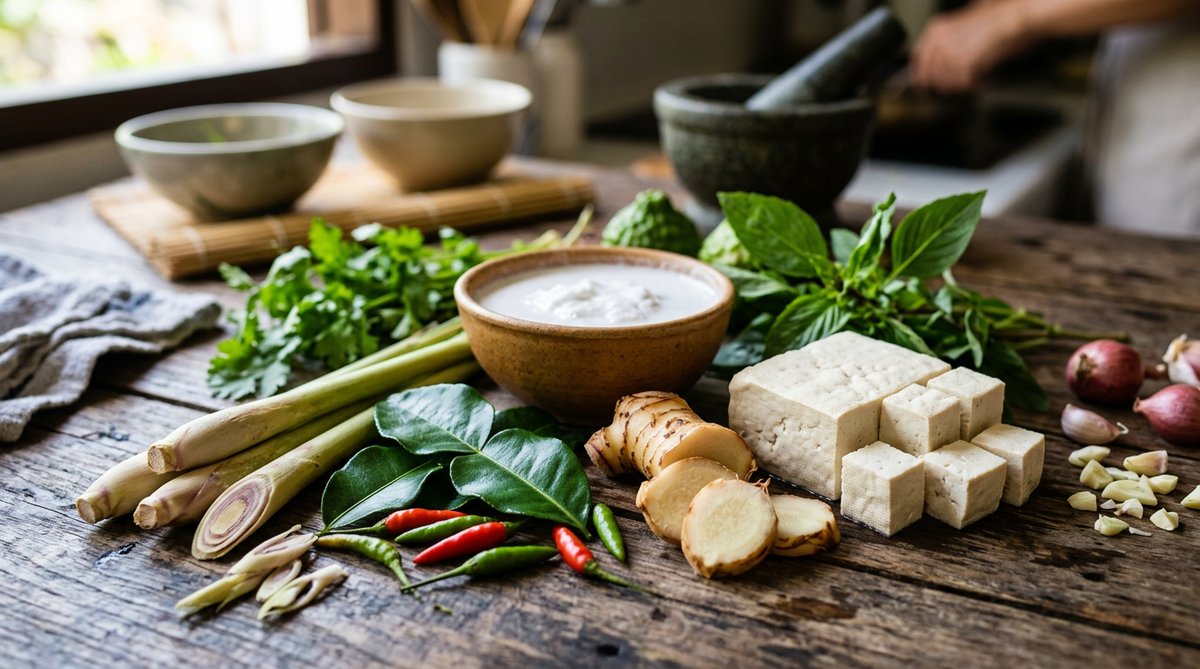
One of the most exciting revelations for European travelers is discovering that traditional Thai cuisine already contains an impressive array of plant-based foundations. When you strip away the Western-influenced meat additions that many tourist-oriented restaurants have adopted, you find curries built on coconut milk and aromatic spices, stir-fries centered on vegetables and herbs, and soups that derive their depth from fermented ingredients rather than animal products.
This distinction matters because vegan thai food bangkok style differs fundamentally from the vegan cuisine many Europeans know at home. A green curry made with lemongrass, kaffir lime, galangal, and fresh green chilies simmered in coconut milk achieves remarkable umami complexity without any animal ingredients. A Tom Yum soup gains its signature sour-spicy profile from lime juice, lemongrass, and mushrooms rather than seafood or meat broths. The depth comes from technique and ingredient combination, not from substituting meat analogs.
However, travelers should understand that mainstream Thai cooking frequently uses fish sauce, which provides that characteristic salty-umami foundation in many dishes. This means a standard Pad Thai from a street vendor may contain fish sauce despite appearing vegetarian at first glance. Shrimp paste appears in some curries. Oyster sauce seasons certain stir-fries. These hidden non-vegan ingredients catch many well-meaning travelers off guard, which is why asking specifically about preparation matters.
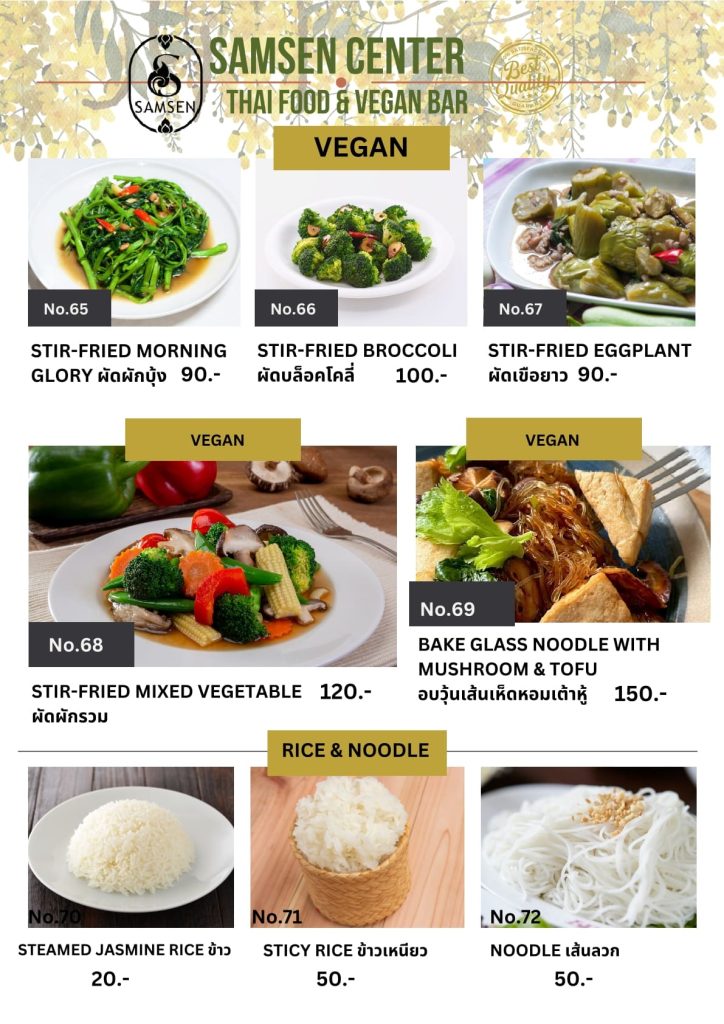
At quality-focused establishments like Samsen Center, the kitchen staff understand these nuances and can prepare dishes with modifications that maintain flavor integrity while respecting vegan requirements. The vegan Pad Thai available there uses tofu instead of egg, excludes fish sauce where possible, and relies on tamarind and lime for the sweet-sour-tangy profile that makes this dish beloved worldwide.
Must-Try Vegan Thai Dishes in Bangkok Old Town
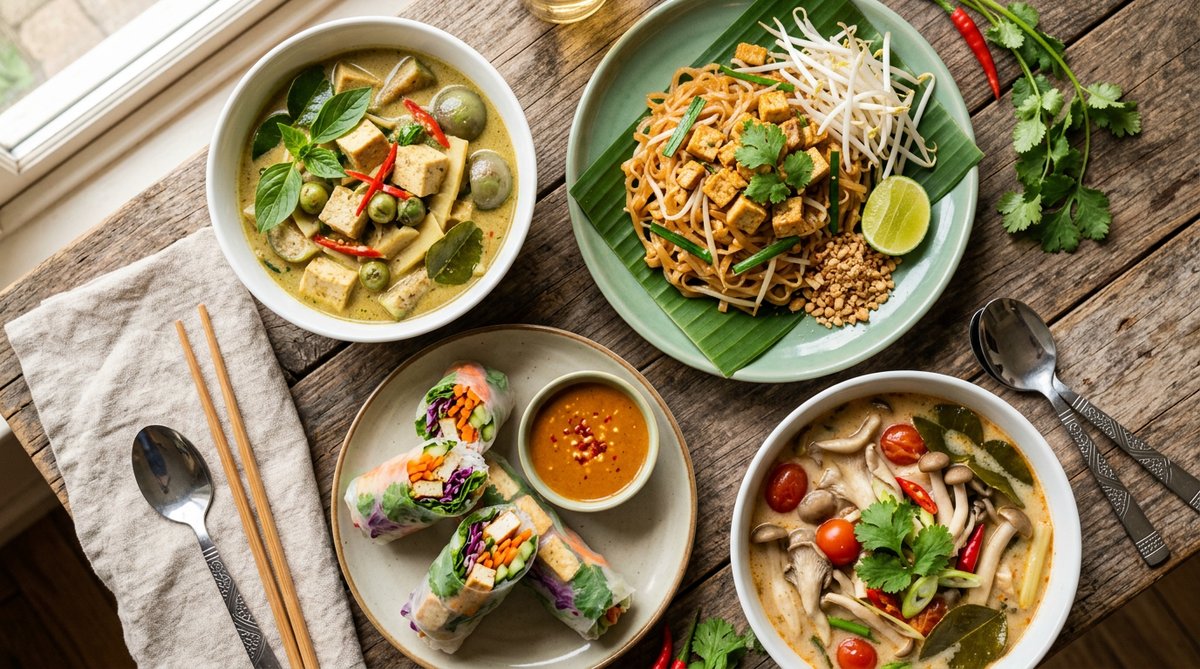
Understanding the dishes available transforms your dining experience from guesswork into confident ordering. Several Thai classics translate exceptionally well to vegan preparation and should anchor your culinary explorations in the Old Town.
Pad Thai deserves its global fame, but the vegan version often surpasses the original in subtlety. When made properly with tofu, bean sprouts, green onions, and a sauce balancing tamarind, lime, and palm sugar, vegan Pad Thai delivers sweet, sour, and savory notes in perfect harmony. The rice noodles provide substance while the fresh vegetables add crunch. At Samsen Center, you can order this dish knowing it has been prepared with vegan ingredients throughout.
Green curry represents the sophistication possible in plant-based Thai cooking. The paste combines green chilies, garlic, shallots, lemongrass, galangal, and kaffir lime peel pounded into a fragrant base, then simmered with coconut milk and vegetables. Traditional green curry includes fish, but the plant-based version swaps this for mushrooms or additional tofu to provide similar texture and body. Thai eggplant and Thai basil complete the dish, creating something aromatic, slightly spicy, and deeply satisfying.
Tom Yum, the iconic sour-spicy soup, actually requires minimal adaptation for vegan preparation. The core flavors come from lemongrass, kaffir lime leaves, galangal, and lime juice, with mushrooms providing body. Add chilies for heat and you have an authentic Tom Yum that captures the essence of Thai soup without any animal products. This makes it one of the easiest dishes to find in genuinely vegan form.
Other essential dishes include Pad See Ew made with wide rice noodles and soy sauce, Massaman curry with potatoes and peanuts in a mild, aromatic sauce, and the simple but satisfying Kaprow stir-fry packed with holy basil and chilies. Fresh spring rolls with vermicelli and vegetables offer a light option perfect for hot afternoons, while mango sticky rice provides the sweet ending that every Thai meal deserves.
Samsen Center: Where to Find the Best Vegan Thai Food Near Khao San Road
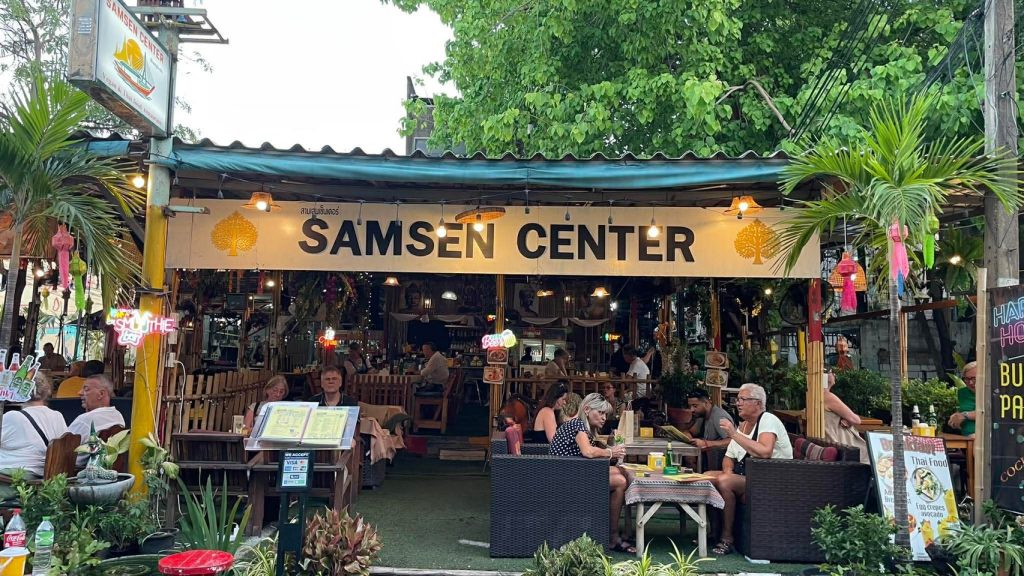
Located on Soi Samsen 2 in the Phra Nakhon district, Samsen Center occupies a strategic position for travelers exploring the Old Town. The restaurant sits just steps from the main Samsen Road, making it accessible whether you are coming from Khao San Road hostels, the riverfront area, or temple visits further east. What sets this establishment apart is its commitment to genuine multi-cuisine flexibility combined with dedicated vegan options.
The kitchen at Samsen Center understands that international travelers have diverse dietary requirements, and they have structured their menu accordingly. For guests seeking plant based thai bangkok dining, they offer multiple curries prepared with coconut milk and aromatic Thai spices, stir-fries using fresh vegetables and tofu, and noodle dishes adapted to remove animal products. The vegan Pad Thai here exemplifies how thoughtful preparation can honor both tradition and dietary preferences.
The extended operating hours from 7 AM to 1 AM daily prove particularly valuable for travelers with irregular schedules. You might finish a dawn visit to Wat Pho as the temple opens, walk to Samsen Center for a vegan breakfast of rice porridge with vegetables and herbs, then return for lunch after a morning at the Grand Palace. Evening brings another opportunity to enjoy dinner before the kitchen closes well past midnight. This availability eliminates the stress of hunting for suitable food during odd hours, which frequently困扰 travelers in tourist areas.
The cocktail program deserves mention as well. After a day of temple visits and street exploration, you might want to relax with a drink at the bar. With 56 cocktails on the menu, you can find Thai-inspired creations using local ingredients that complement your plant-based meal perfectly.
For a broader understanding of the neighborhood’s culinary landscape, explore our Samsen Bangkok neighborhood food guide which maps the area’s best dining options and hidden gems.
Vegan Thai Cooking Ingredients You Should Know
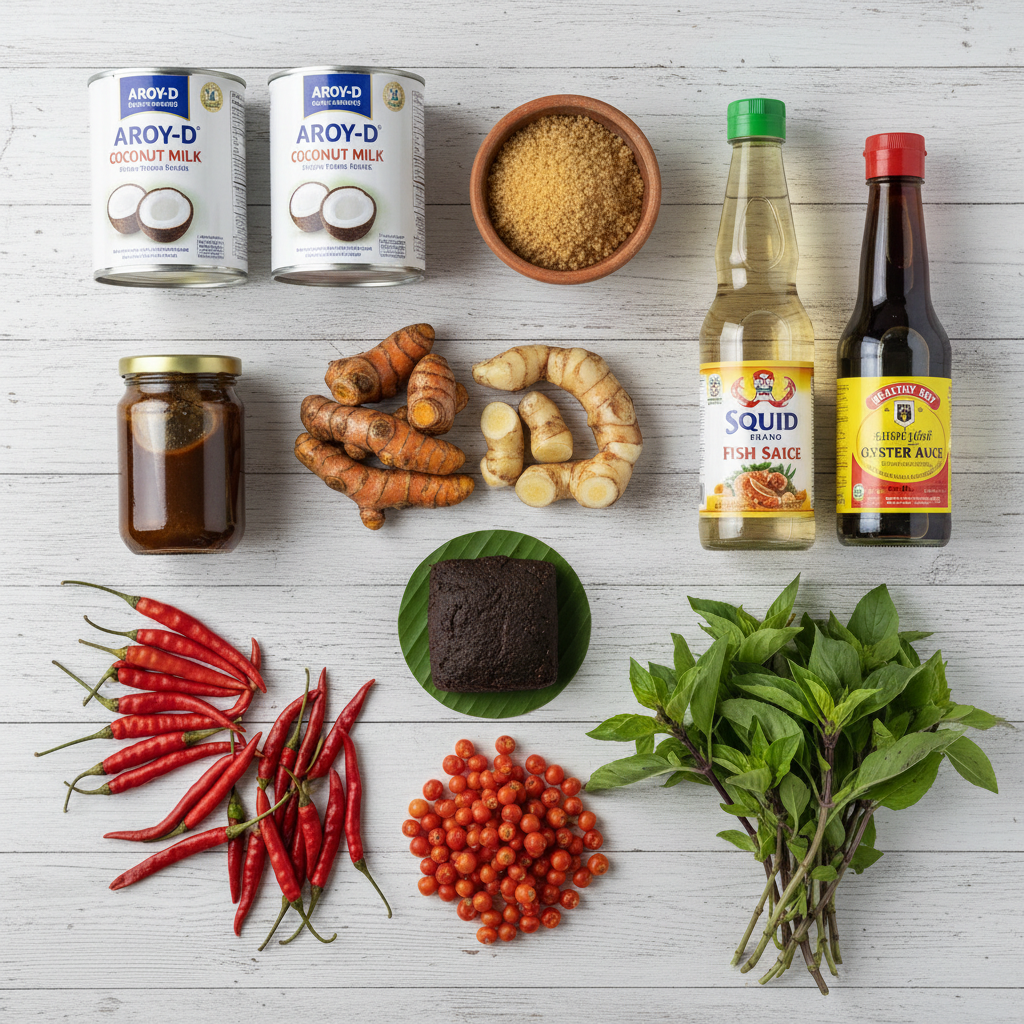
Understanding Thai ingredients transforms you from a passive diner into an informed participant in your meal. This knowledge helps when reviewing menus, communicating with servers, and identifying which dishes align with your dietary choices.
Coconut milk forms the backbone of Thai curries and many desserts. Made by pressing grated coconut flesh with water, it provides rich, creamy texture and subtle sweetness. Unlike dairy milk, coconut milk carries Thai flavors naturally and appears in both sweet and savory preparations. Massaman curry, green curry, and red curry all rely on coconut milk as their liquid base.
Fish sauce, known as nam pla in Thai, provides the salty-umami foundation in countless Thai dishes. It is made through fermenting fish with salt, producing a potent liquid that adds depth similar to soy sauce or Worcestershire in Western cooking. When ordering, explicitly state that you want dishes prepared without fish sauce. Many restaurants can accommodate this request by substituting soy sauce or omitting the ingredient entirely.
Palm sugar, made from the sap of date or sugar palms, sweetens Thai dishes with a caramel-like flavor distinct from Western refined sugar. You will encounter it in curries, stir-fries, and especially desserts. Unlike the sharp sweetness of white sugar, palm sugar offers complexity that balances well with chilies and acids.
Tamarind concentrate, derived from the tamarind fruit’s pulp, provides the sour element in many Thai dishes. Pad Thai sauce combines tamarind with fish sauce and palm sugar to achieve its signature flavor profile. The sourness is more complex and less aggressive than lemon juice, integrating smoothly into dishes.
Lemongrass, galangal, kaffir lime leaves, and Thai basil constitute the holy quartet of Thai aromatics. These ingredients flavor curries, soups, and stir-fries without any caloric impact, creating the distinctive Thai flavor profile that makes the cuisine so recognizable. Understanding that these are always vegan helps you trust that properly prepared Thai food can be entirely plant-based.
Tips for Vegan Travelers in Bangkok
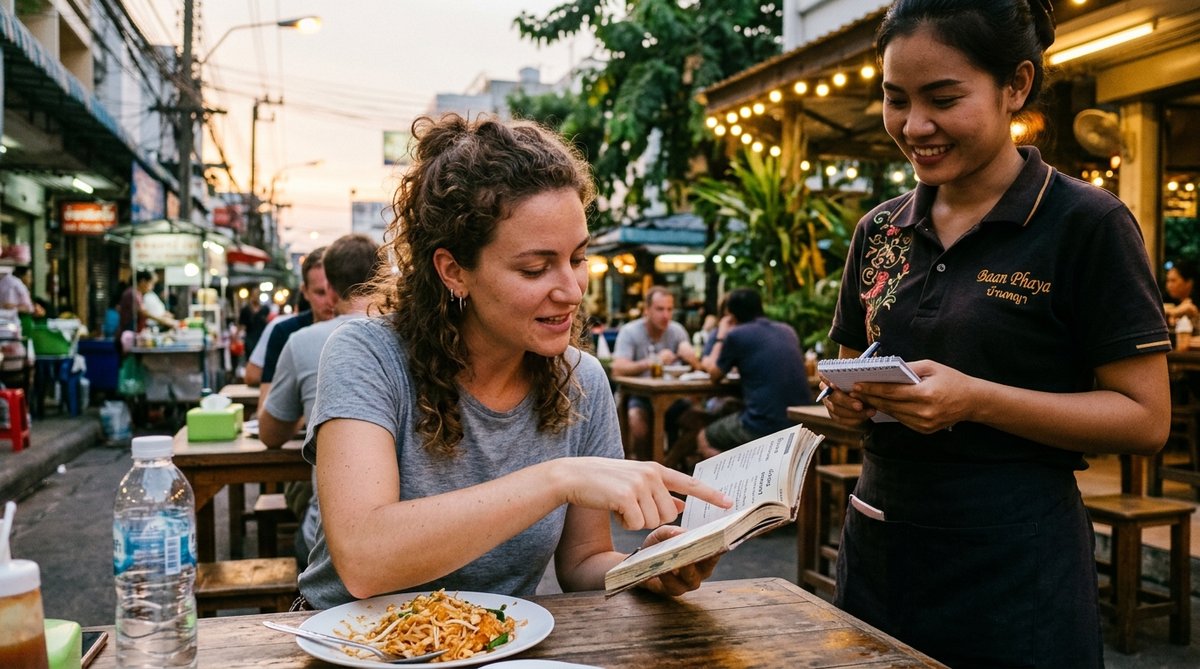
Arming yourself with practical knowledge prevents the frustration that can derail an otherwise wonderful culinary adventure. These tips address the specific challenges that vegan travelers encounter in Bangkok’s Old Town.
Learning a few Thai phrases demonstrates respect and dramatically improves your dining experience. The phrase “gin Jay” means eating vegetarian, referring to the Buddhist dietary practice. You can say “Jay” alone or add “mai sai nam pla” to specify no fish sauce. Pointing while saying “Jay” and gesturing at a menu item works when verbal communication proves difficult. Thai people generally appreciate any effort to speak their language, however imperfect.
Watch for hidden ingredients in seemingly straightforward dishes. Grated coconut appears in desserts and some curries but is always vegan. Fried garlic in oil is safe. Fried shallots adorn many noodle dishes and are plant-based. However, oyster sauce, fish sauce, shrimp paste, and in some cases chicken stock in soups require vigilance. When in doubt, ask your server to confirm the ingredients or request modifications.
Street food presents both opportunity and challenge. Vendors often prepare multiple items on shared surfaces and may add fish sauce to dishes you assumed were vegetarian. Higher-end restaurants and dedicated vegan establishments offer more control over ingredient quality and preparation. For the authentic street food experience without risk, seek vendors near temples who cater to Buddhist practitioners on religious days, as they are more likely to have genuinely vegan options prepared separately.
Timing your dietary strictness appropriately matters too. Some travelers maintain strict vegan practices throughout their trip, while others adopt a flexible approach focusing on main dishes and ignoring minor ingredient overlaps. Neither approach is correct. Know your own boundaries and plan accordingly, but do not let perfectionism prevent you from enjoying Bangkok’s incredible food scene.
Bring snacks for emergencies. Despite Bangkok’s abundance of food, you may find yourself in situations where nothing suitable is available, whether during long temple visits or while traveling between neighborhoods. Protein bars, dried fruit, or nuts from your accommodation can bridge these gaps without compromising your principles or your energy.
For additional strategies on finding plant-based meals throughout Bangkok, including areas beyond the Old Town, consult our guide to vegan food options in Bangkok.
FAQ: Vegan Thai Food in Bangkok
Is Thai food naturally vegetarian or vegan?
Thai cuisine contains many dishes that can be prepared in vegetarian or vegan forms, but most mainstream Thai restaurants use fish sauce, shrimp paste, and oyster sauce as standard ingredients. Authentic Thai cooking techniques and flavor profiles work excellently with plant-based ingredients, so asking specifically for vegan preparation unlocks the cuisine’s full potential.
How do I say vegan in Thai?
The most useful phrase is “gin Jay” (กินเจ) meaning “eat vegetarian.” For specifying no fish sauce, add “mai sai nam pla” (ไม่ใส่น้ำปลา). Pointing while speaking these phrases helps communicate your requirements clearly.
Is vegan food expensive in Bangkok?
Bangkok offers vegan food across all price ranges. Street food and local restaurants can be extremely affordable, while tourist-oriented establishments charge higher prices. Expect to pay similar rates for vegan dishes as for their meat counterparts at any given venue.
What Thai dishes are always vegan?
Some dishes rarely contain animal products, including Som Tam (green papaya salad, though verify fish sauce), fresh spring rolls, mango sticky rice, coconut milk-based curries ordered without meat, and stir-fries with vegetables using soy sauce instead of oyster sauce. Always confirm preparation methods with the kitchen.
Where can I eat vegan food near Khao San Road?
Samsen Center on Soi Samsen 2 offers dedicated vegan options including vegan Pad Thai and plant-based curries, open daily from 7 AM to 1 AM. Multiple street vendors along Khao San Road and nearby streets cater to Buddhist vegetarians on religious days. Several hostels in the area also serve vegan breakfast options.
Conclusion: Embracing Vegan Thai Cuisine in the Heart of Bangkok
Bangkok’s Old Town rewards the plant-based traveler with something rare: cuisine that is simultaneously ancient and accessible, complex yet approachable, and deeply rooted in cultural traditions that embrace vegetarian principles. The Buddhist heritage of the Rattanakosin area created conditions for vegan thai food bangkok to flourish, and contemporary establishments like Samsen Center have built upon this foundation to serve international visitors with genuine skill.
Your approach to vegan dining in Bangkok should balance preparation with openness. Arm yourself with knowledge about ingredients and phrases, but remain ready to discover unexpected pleasures. A small restaurant near a temple might serve the best curry of your trip. A street vendor preparing food for monks could offer insights into Thai culinary traditions that no restaurant provides. The combination of familiar dishes and surprising discoveries makes Bangkok’s vegan food scene genuinely exciting.
The practical advantage of Samsen Center’s location on Soi Samsen 2, combined with their extended hours and dedicated vegan menu, provides a reliable base for your Old Town culinary explorations. Return here for meals when you need certainty, then venture outward to explore the neighborhood’s hidden gems with confidence that you understand how Thai cuisine works at its plant-based core.
Whether you are starting your morning with fresh fruit and Thai tea, pausing for a midday curry after temple visits, or winding down with vegan Pad Thai well past midnight, Bangkok’s Old Town welcomes you with flavors that prove vegan dining requires no sacrifice. The opposite is true: embracing plant-based Thai cuisine opens doors to depth and complexity that meat-heavy dining cannot match. Buon provecho, as they might say in a very different culinary tradition, and enjoy your journey through one of the world’s most rewarding vegan food destinations.