
If you’ve been searching for authentic Thai food in Bangkok, you’re not alone. Every year, millions of travelers arrive in Thailand’s capital with one culinary mission: to taste the real flavors of Thai cuisine, not the diluted versions often served to tourists. The good news is that Bangkok’s historic Rattanakosin district holds some of the city’s most treasured food destinations, where traditional recipes have been passed down through generations and every dish tells a story of Thai culture and craftsmanship.
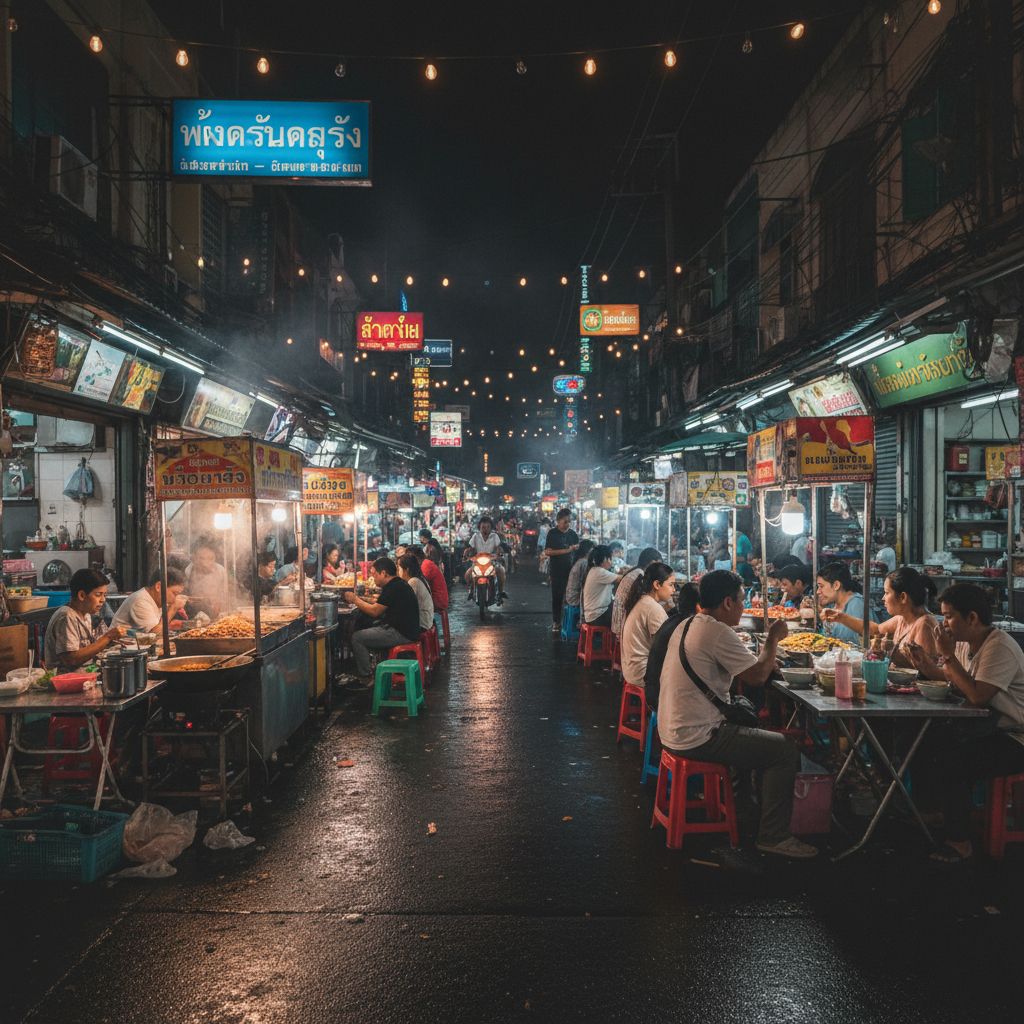
Rattanakosin, often called Bangkok’s Old Town, is the heart of Thailand’s royal heritage. This area surrounds the Grand Palace and includes iconic landmarks like Wat Pho, the Temple of the Emerald Buddha, and the legendary Samphanthawong area. What many visitors don’t realize is that this same district is also home to some of the most authentic Thai dining experiences in the entire city. Walking through the narrow sois off Samsen Road, you’ll discover family-run establishments where the same recipes have been perfected over decades, where the ingredients are sourced daily from local markets, and where the balance of sweet, sour, salty, and spicy that defines Thai cuisine is treated as an art form.
What Makes Thai Food ‘Authentic’?
The word “authentic” gets thrown around a lot when discussing Thai cuisine, but what does it really mean? For us at Samsen Center, authenticity in Thai food comes down to three core principles that have guided Thai cooking for centuries.
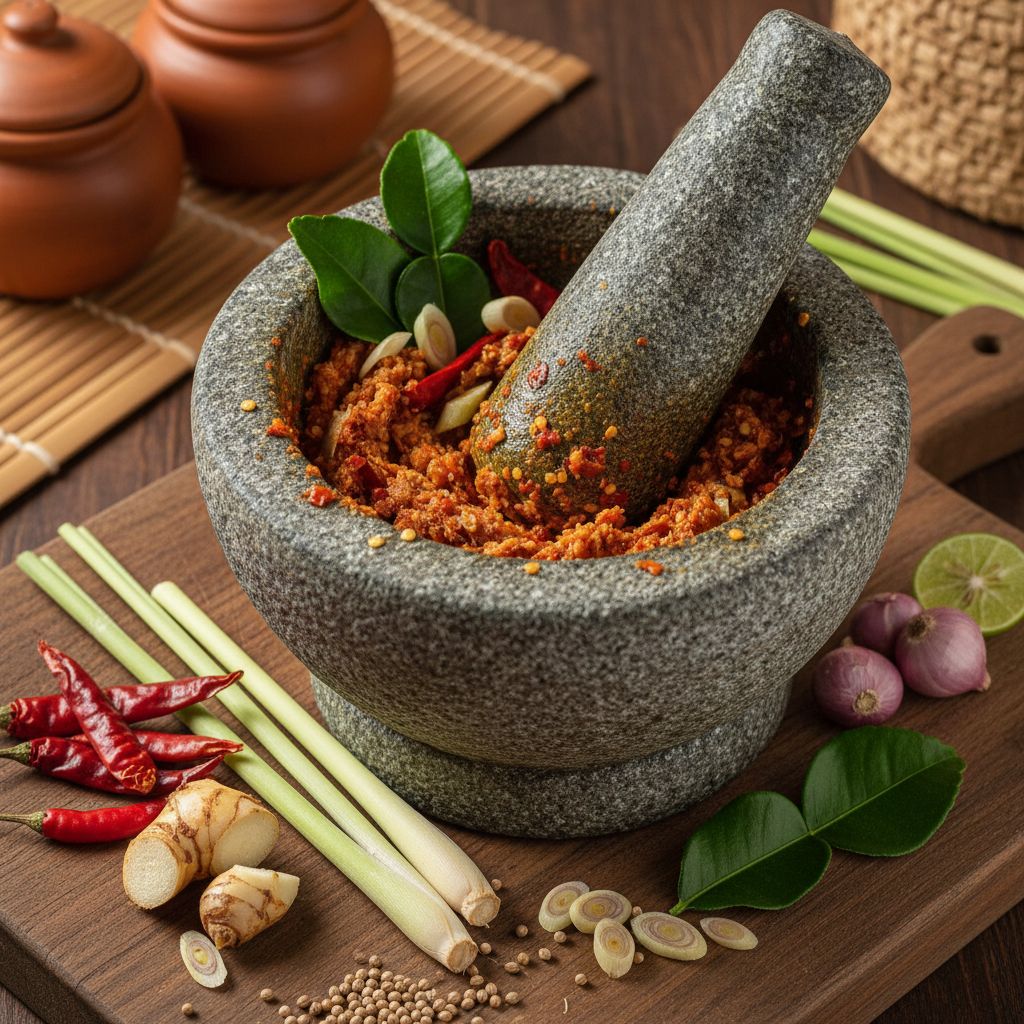
The first principle is faithful adherence to traditional recipes and techniques. Authentic Thai food isn’t about reinventing dishes to suit modern palates or international expectations. It means using the same preparation methods that have been refined over generations, whether that’s the precise way a mortar and pestle must be used to create the perfect curry paste, or the specific temperature control required for the ideal wok hei (breath of the wok) in a stir-fried dish. At our kitchen, we maintain these traditional methods because we believe that the soul of Thai cuisine lives in these time-honored practices.
The second principle is ingredient integrity. True Thai food relies on the interplay of fresh herbs and spices that grow abundantly in Southeast Asia. Lemongrass, galangal, kaffir lime leaves, Thai basil, and bird’s eye chilies are not optional additions but fundamental components that create the complex flavor profiles Thai cuisine is famous for. Authentic cooking means these ingredients are used at their peak freshness and in the proper proportions.
The third principle is the balance of flavors. Thai cuisine is renowned for its delicate equilibrium of sweet, sour, salty, bitter, and spicy notes. An authentic Thai dish should make you experience several sensations in a single bite, with no single flavor overwhelming the others. This balance is what transforms a simple plate of noodles into a symphony of taste, and maintaining this equilibrium requires both skill and respect for tradition.
Best Areas in Rattanakosin for Authentic Thai Food
Navigating Bangkok’s Old Town for authentic cuisine requires knowing where to look. While the main tourist areas around the Grand Palace certainly have restaurants, the most genuine dining experiences are often found just off the beaten path.
The Samsen Road corridor has long been considered one of Rattanakosin’s best-kept culinary secrets. This area, originally known as a riverside trading community, evolved into one of Bangkok’s most important food destinations over the past century. Local vendors and family restaurants along Samsen Road have been serving workers, merchants, and eventually adventurous food lovers for generations. The concentration of established eateries here is remarkable, with each establishment typically specializing in specific dishes or cooking styles refined over decades.
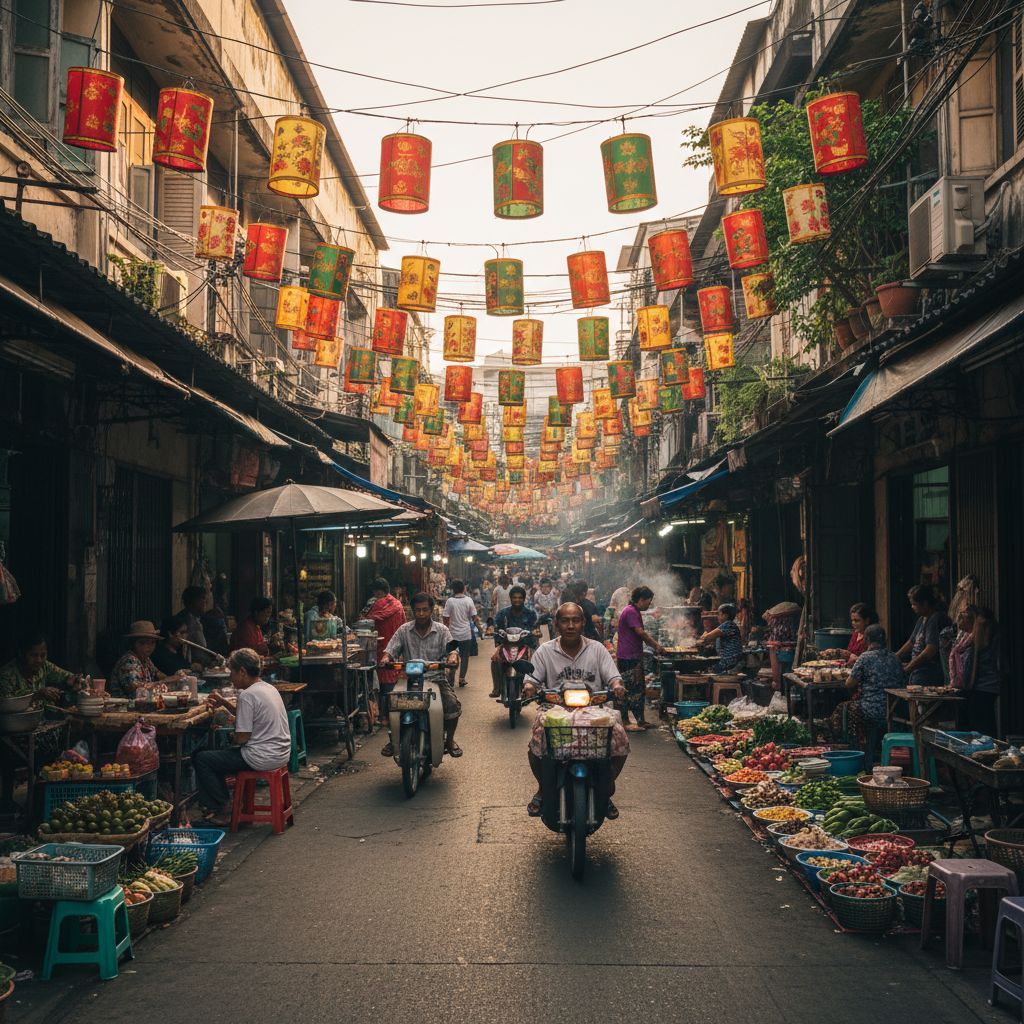
Another excellent area for authentic Thai dining is the riverside district of Bang Luang, where traditional shophouse restaurants preserve the old-world charm of Bangkok while serving food that hasn’t changed in character for decades. Walking through these neighborhoods in the early evening, when the day’s heat begins to fade and street vendors start setting up their carts, offers one of the most immersive culinary experiences Bangkok has to offer. The air fills with the aroma of grilling meats, sizzling woks, and simmering broths, creating an atmosphere that no high-end restaurant can replicate.
Thanon Taa Chat, sometimes called the “eat street” of old Bangkok, represents another concentration of authentic dining options. Here you’ll find restaurants that have been in operation for fifty years or more, where the current generation of owners learned their craft from their parents and grandparents. These establishments don’t advertise extensively, relying instead on word-of-mouth recommendations and the loyalty of regular customers who have been dining there for decades.
Samsen Center: Where to Find Authentic Thai Food Near Grand Palace
For travelers staying in or visiting the Rattanakosin area, finding a reliable source of authentic Thai cuisine can be challenging. Samsen Center has established itself as a destination for those seeking traditional Thai food prepared with integrity and served in a welcoming environment. Located on Soi Samsen 2 in the Phra Nakhon district, our location places us within easy reach of major attractions including the Grand Palace, Wat Pho, and the Rattanakosin Exhibition Hall.
Our kitchen specializes in the Sapparot series, a collection of seven signature dishes that showcase the breadth and depth of Thai culinary tradition. The Sapparot series includes carefully crafted preparations that represent different cooking techniques and flavor profiles found across Thai cuisine. Each dish in the series is prepared using recipes that have been developed and refined over years of dedicated practice, ensuring that customers experience authentic flavors without compromise.
Beyond the Sapparot series, we offer an extensive menu that includes beloved Thai classics such as Tom Yum Goong, the famous hot and sour soup that perfectly demonstrates Thai cuisine’s mastery of contrasting flavors. Our Tom Yum is prepared with fresh ingredients, authentic herbs, and the traditional method of building the broth with careful attention to the balance between heat, sourness, and aromatic complexity. Similarly, our Pad Thai represents the street food version of this iconic dish, featuring the correct texture of rice noodles, the proper proportion of tamarind sauce, and the traditional accompaniments that make this dish so universally beloved.
Samsen Center is open daily from 7:00 AM until 1:00 AM, making us a convenient option for breakfast before a day of sightseeing near the Grand Palace, lunch during a break from exploring Rattanakosin’s temples, or dinner after an evening boat ride along the Chao Phraya River. Our extended hours ensure that whether you’re an early riser eager to start your day with a traditional Thai breakfast or a night owl looking for a late-night meal after exploring Bangkok’s evening attractions, authentic Thai cuisine is always available.
Traditional Thai Dishes You Must Try
Understanding which dishes to order is essential for anyone seeking authentic Thai food experiences. The Sapparot series at our restaurant offers an excellent introduction to traditional Thai cooking, with each dish representing a different aspect of the cuisine’s rich heritage. These seven preparations have been selected to showcase the versatility of Thai cooking, from aromatic curries to refreshing salads to hearty stir-fried preparations.
Tom Yum Goong remains perhaps the most internationally recognized Thai dish, and for good reason. This soup combines the heat of fresh chilies, the sour punch of lime juice, the aromatic complexity of lemongrass and galangal, and the savory depth of shrimp paste and fish sauce into a broth that somehow manages to be simultaneously comforting and exhilarating. The version served in authentic Thai restaurants like ours features large, fresh prawns and a broth that has been simmered to extract maximum flavor from the ingredients.
Pad Thai is often the first Thai dish that international visitors encounter, but the version served to tourists frequently differs significantly from the authentic preparation. Traditional Pad Thai should feature rice noodles with the correct slight chew, a balanced sauce that provides sweetness without overwhelming, and the textural contrast of bean sprouts and crushed peanuts. The best Pad Thai also includes fresh lime wedges and chili flakes on the side, allowing diners to adjust the flavor to their preference.
Pad Kee Mao, known in English as Drunken Noodles, represents Thai cuisine’s ability to create intense flavors from simple ingredients. This dish combines wide rice noodles with a sauce built from soy sauce, fish sauce, and oyster sauce, along with holy basil, chilies, and your choice of protein. The “drunken” name refers not to alcohol content but to the bold, slightly wild flavor that comes from the generous use of fresh Thai basil and chilies. For those who can handle heat, Pad Kee Mao offers one of the most satisfying expressions of Thai street food culture.
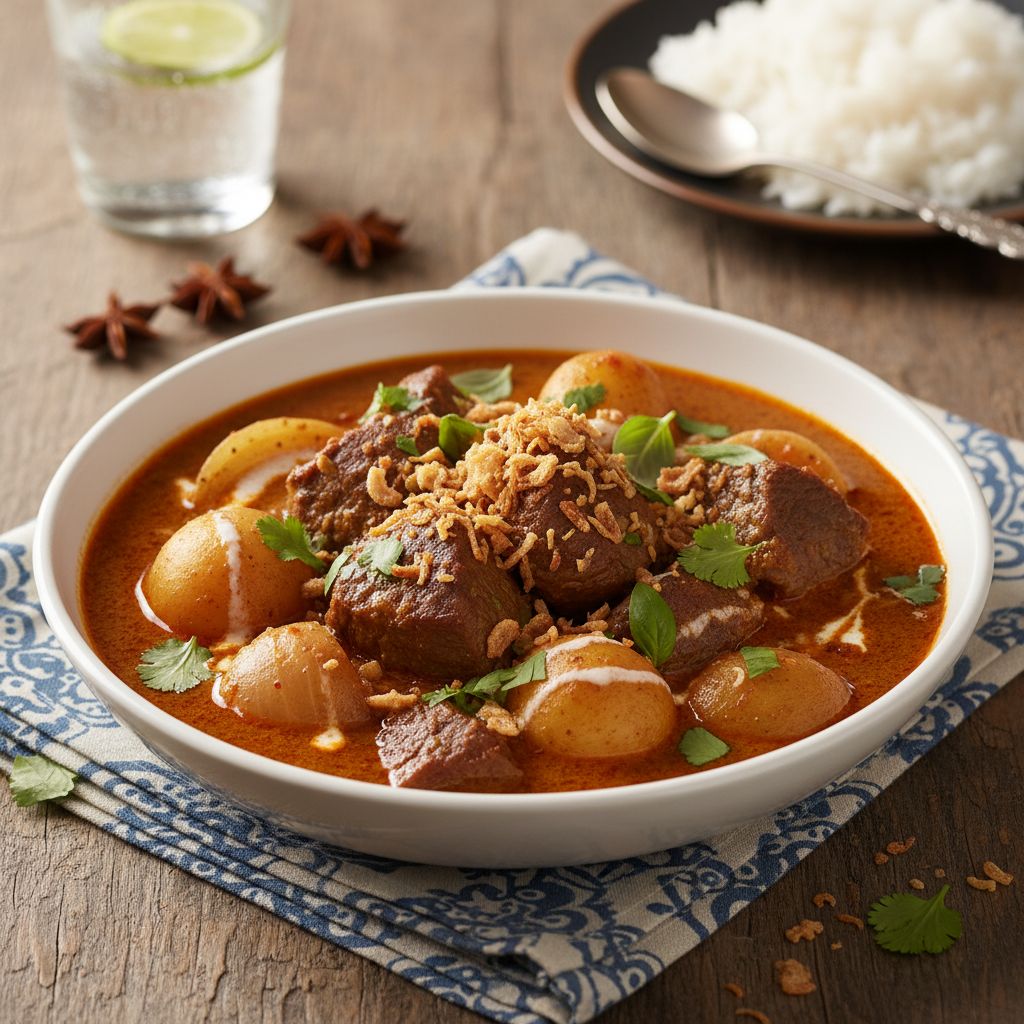
Other traditional dishes worth exploring include green curry with its aromatic coconut milk base, som tam (green papaya salad) with its perfect balance of sour, sweet, and spicy, and massaman curry with its Persian-influenced blend of spices that represents the multicultural history of Thai cuisine. Each of these dishes tells a story about Thailand’s geography, history, and culture through the universal language of food.
Tips for Finding Authentic Thai Food in Bangkok
Separating authentic Thai cuisine from tourist-oriented imitations requires some knowledge and a willingness to venture beyond the most obvious options. Here are some insights accumulated over years of serving both locals and visitors to Bangkok.
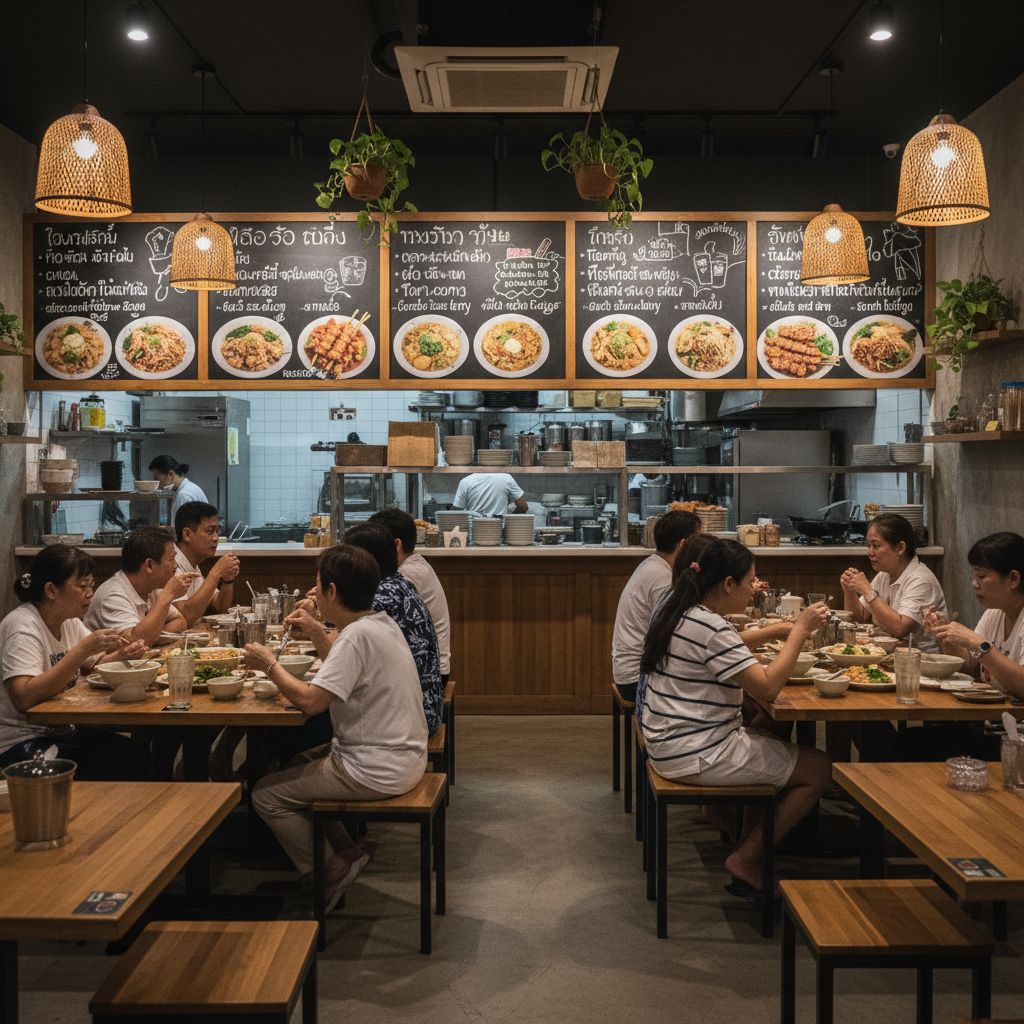
Look for restaurants where the majority of customers are Thai. While English menus and friendly staff for tourists are helpful, a truly authentic establishment will be primarily patronized by local residents. If you see Thai families dining together, workers on their lunch breaks, or elderly regulars reading the newspaper while eating, these are excellent signs that the food is worth your attention.
Trust your senses. Authentic Thai food should smell vibrant and complex, with the aroma of fresh herbs cutting through any cooking aromas. The presentation may be simpler than what you’d find in a hotel restaurant, but the colors should be fresh and appetizing. If a restaurant has a visible kitchen, watch how the staff cooks. Traditional wok cooking produces visible flames and creates a distinctive energy that processed food preparation simply cannot match.
Don’t be afraid of menu-less establishments or small shophouse restaurants. Some of the best authentic Thai food is served at family-run operations where the menu consists of whatever is fresh that day, or where the specialty is a single dish perfected over decades. Point and order what the locals are eating, or ask the staff for their recommendation. In our experience, the dishes that Thai customers order most frequently are usually the safest and most rewarding choices.
Consider timing carefully. Many authentic Thai restaurants, particularly those serving breakfast and lunch, close in the mid-afternoon when the day’s food has been sold. Dinner service often begins around 5 or 6 PM. Visiting during these peak hours ensures you get the freshest food and the most authentic atmosphere.
Frequently Asked Questions
What is the Rattanakosin district known for in Bangkok?
The Rattanakosin district is Bangkok’s historic old town, built around the Grand Palace area in the late 18th century. This area contains Thailand’s most important royal palaces, temples, and government buildings, and has been the center of Thai political and cultural life for over two centuries.
Where can I find authentic Thai food near the Grand Palace?
Samsen Center, located on Soi Samsen 2 in the Phra Nakhon district just minutes from the Grand Palace, offers authentic Thai cuisine in a welcoming environment. We serve traditional dishes including the Sapparot series, Tom Yum, and Pad Thai from 7 AM to 1 AM daily.
What are the Sapparot series dishes?
The Sapparot series is a collection of seven signature Thai dishes served at Samsen Center, representing different cooking techniques and flavor profiles of traditional Thai cuisine. Each dish in the series is prepared using recipes refined over years of dedicated practice.
What traditional Thai dishes should I try as a first-time visitor?
First-time visitors to Bangkok should experience Tom Yum Goong for its iconic flavor profile, Pad Thai for a taste of Thailand’s most famous noodle dish, and the Sapparot series for a comprehensive introduction to traditional Thai cooking techniques and regional specialties.
What are the hours of operation for authentic Thai restaurants in Rattanakosin?
Hours vary by establishment, but Samsen Center is open daily from 7:00 AM until 1:00 AM, offering breakfast, lunch, and dinner service. Many smaller local establishments close between lunch and dinner service, so confirming hours before visiting is advisable.
Conclusion
Finding authentic Thai food in Bangkok’s Rattanakosin district is about more than just satisfying hunger; it’s an entry point into Thailand’s rich culinary heritage and cultural identity. The district’s historic streets and traditional neighborhoods have preserved food traditions that might otherwise have been lost to modernization, making every meal here a connection to the past.
At Samsen Center, we take our responsibility as custodians of authentic Thai cuisine seriously. Our location in Soi Samsen 2 places us within the Rattanakosin area’s finest food culture, surrounded by decades of culinary tradition. Whether you’re seeking the complex flavors of our Sapparot series, the comforting warmth of a traditional Tom Yum, or the perfectly balanced sweetness of authentic Pad Thai, we invite you to join us for a dining experience that honors the heritage of Thai cooking.
The search for authentic Thai food in Bangkok doesn’t have to be frustrating or disappointing. With the right knowledge and a spirit of culinary adventure, you can discover flavors that will transform your understanding of this remarkable cuisine. Rattanakosin awaits, with its temples, its history, and its extraordinary food traditions ready to welcome you.