
The scent of lemongrass and fresh basil wafts through the air as you step out of your guesthouse near the Grand Palace. You are here to explore Thailand’s rich cultural heritage, to wander through ancient temple complexes and soak in centuries of history. But somewhere between the golden chedi and the bustling street stalls, a question starts forming in your mind: where can I find a healthy restaurant in Bangkok Old Town without sacrificing my commitment to clean eating?
This is exactly the dilemma many wellness-minded travelers face when visiting the Rattanakosin Island area. The Old Town’s reputation leans heavily toward pad thai served from plastic stools, fried rice consumed standing up, and sweet mango sticky rice as a legitimate lunch option. While there is nothing wrong with embracing local street food culture, maintaining a health-conscious diet while traveling often feels like an impossible balancing act.
Here is the good news: Bangkok Old Town holds some genuine surprises for travelers who refuse to compromise on nutrition. The same Thai culinary traditions that have spread across the globe contain remarkable health-giving properties when approached with a bit of insider knowledge. And at the center of this discovery lies Samsen Center, a multi-cuisine restaurant that has quietly positioned itself as the answer to the health-conscious traveler’s prayers.
Why Bangkok Old Town Surprises Health-Conscious Travelers
Most travel guides direct health-conscious visitors toward the trendy neighborhoods of Sukhumvit or the backpacker corridors of Silom and Sathorn. These areas have earned their reputation for offering quinoa bowls, cold-pressed juices, and avocado toast at prices that would not look out of place in Berlin or Copenhagen. Meanwhile, Bangkok Old Town remains firmly associated with temple visits, night markets, and the legendary chaos of Khao San Road.
This perception, while understandable, misses a crucial point about the Rattanakosin area. The neighborhood surrounding the Grand Palace, Wat Pho, and the Emerald Buddha Temple has been Bangkok’s spiritual and administrative heart for over two centuries. That longevity means access to some of the city’s most established fresh markets, where Thai families have shopped for decades for ingredients that form the foundation of traditional cooking.
The proximity to these markets translates into something practical for health-conscious diners: restaurants in the area can access genuinely fresh produce, herbs, and proteins in ways that newer neighborhoods simply cannot match. When your vegetables were harvested this morning from farms in Nonthaburi rather than sitting in cold storage for days, the resulting dishes carry a nutritional density that processed ingredients simply cannot provide.
Beyond market access, the Old Town has seen a quiet transformation in recent years. A new generation of Thai entrepreneurs and chefs has recognized that not all visitors come seeking deep-fried everything and sugar-laden smoothies. The result is a growing number of establishments that take clean eating seriously, offering menu options designed specifically for travelers who view food as fuel rather than mere comfort.
Understanding Thai Cuisine’s Healthy Foundations
One of the most overlooked aspects of Thai cooking, particularly in Western representations, is how naturally aligned it is with healthy eating principles. The stereotypical depiction of Thai food as oily curries and excessive sugar ignores centuries of culinary wisdom that prioritizes fresh herbs, aromatic vegetables, and balanced flavors.
Traditional Thai cuisine makes extensive use of ingredients that modern nutrition science has identified as particularly beneficial. Galangal, a rhizome closely related to ginger, forms the backbone of tom yum soup and carries well-documented anti-inflammatory properties. Lemongrass appears in countless dishes not merely for flavor but for its digestive benefits. Kaffir lime leaves add citrus notes while providing antioxidants, and Thai basil offers a distinctly peppery, clove-like taste alongside potential antimicrobial properties.
The typical Thai meal structure also lends itself to healthier eating patterns. Rather than centering on a single large protein source surrounded by starchy sides, Thai meals traditionally feature multiple dishes shared family-style, with rice as a modest foundation rather than the star of the plate. This approach naturally encourages variety and portion balance in ways that Western dining norms often discourage.
Lean proteins feature prominently in traditional Thai cooking. Grilled fish, steamed preparations, and stir-fried dishes using chicken or pork without excessive oil represent the everyday eating patterns of Thai households rather than the coconut-heavy curries that dominate tourist-oriented menus. When you understand this foundation, identifying healthy options in Bangkok Old Town becomes considerably easier.
Best Healthy Dishes to Order in Bangkok Old Town
Knowing which Thai dishes align with your clean eating goals requires understanding both the traditional preparations and the potential pitfalls of tourist-oriented kitchens. Some dishes carry remarkable health benefits when made correctly, while others can undermine your intentions despite their wholesome reputations.
Tom yum soup stands as perhaps the single healthiest dish you can order in Thailand. This clear broth-based soup combines shrimp or chicken with mushrooms, tomatoes, galangal, lemongrass, and lime juice. The cooking method preserves nutrients that deep-frying or heavy sauce preparation would destroy, while the aromatic herbs provide the anti-inflammatory and digestive benefits mentioned earlier. Order it with seafood for maximum nutrition, and request it “ao” (without added sugar) if your tolerance allows.
Green papaya salad, or som tam, represents another excellent choice when approached strategically. The salad itself consists primarily of shredded unripe papaya, carrots, beans, tomatoes, and peanuts. The problem typically comes from the accompanying sauce, which can add significant sodium and sugar. Order it “green” (渗渗 or sot sot) to minimize the sauce, or ask for it without the dried shrimp if you prefer a lighter version.
Grilled chicken might seem like a safe default, but Thai grilled preparations often involve heavy marinades that add sugar and sodium. Look instead for “gai yang” (grilled chicken) served with fresh herbs and a squeeze of lime rather than sticky sweet sauce. Alternatively, “pla neung” (steamed fish) with ginger and cilantro offers exceptional nutrition with minimal preparation interference.
Fresh spring rolls rather than fried spring rolls provide another smart choice. The fresh versions wrap raw or lightly blanched vegetables with herbs and sometimes shrimp or tofu in rice paper, creating a nutrient-dense package that requires no cooking oils.
Samsen Center: Bangkok Old Town’s Health-Conscious Restaurant
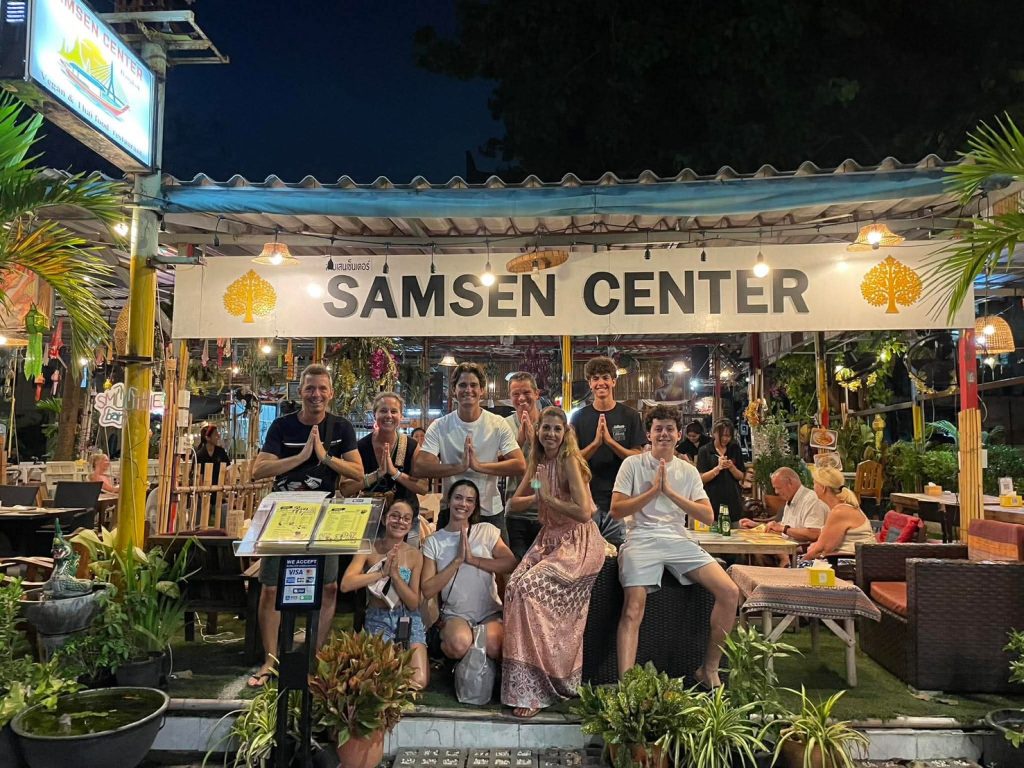
For travelers seeking a reliable healthy restaurant in Bangkok Old Town, Samsen Center offers something increasingly rare in the tourist-heavy Rattanakosin area: consistency combined with genuine menu variety for different dietary needs.
Located in Soi Samsen 2, this multi-cuisine establishment occupies a strategic position that makes it equally useful for a quick breakfast before temple visits, a proper lunch break during sightseeing, or a relaxed dinner after exploring the area’s evening offerings. The operating hours from 7 AM until 1 AM daily mean you can access health-conscious options at virtually any point in your day, whether you are an early riser heading to catch sunrise at the Grand Palace or a night owl returning from an evening at the riverside.
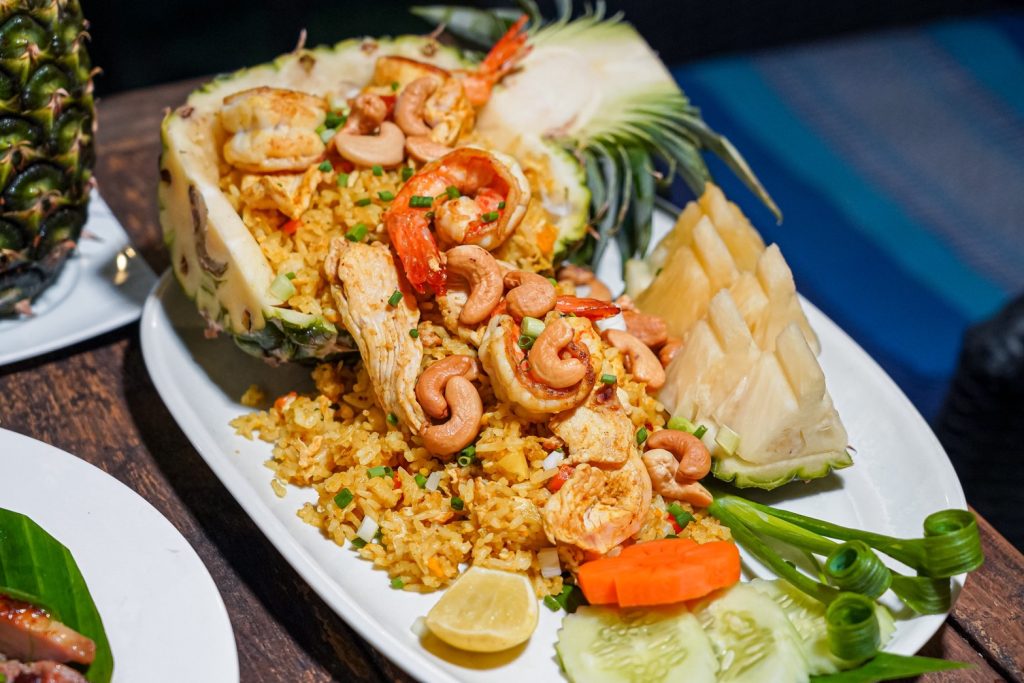
The menu deserves particular attention for how it addresses different health priorities. The Thai cuisine offerings include the Sapparot series, which showcases fresh pineapple-based dishes that bring natural sweetness without the need for added sugars. These preparations demonstrate the kitchen’s understanding that health-conscious diners want flavor without compromise, vibrancy without guilt.
For travelers following plant-based diets, the vegan options deserve special mention. The vegan Thai food guide for Bangkok Old Town explains how Samsen Center approaches plant-based cooking with the same attention to authentic Thai flavors as their regular menu. Vegan pad thai uses tofu and vegetables to create a satisfying dish, while plant-based curries draw on coconut milk and aromatic spices rather than meat stocks for depth.
Those managing gluten sensitivities will find accommodations that many Bangkok restaurants simply cannot provide. The kitchen’s understanding of which dishes contain wheat-based thickeners or soy sauces with gluten allows celiac travelers and others avoiding gluten to dine with confidence rather than constant anxiety.
The cocktail bar at Samsen Center might seem like an unusual inclusion in a discussion of healthy dining, but the 56-cocktail menu demonstrates an interesting philosophy: health-conscious travelers should not feel they must choose between wellness and experience. A well-crafted cocktail made with quality spirits and fresh ingredients can be part of a balanced approach to travel enjoyment. The key is choosing establishments that care about their ingredients, a standard that clearly applies here.
What sets Samsen Center apart from the surrounding tourist-area restaurants is not merely the presence of healthy options but the understanding behind them. This is not a restaurant that has bolted on a “healthy” section to satisfy foreign expectations while the real menu continues serving the same heavy preparations. Instead, the entire approach reflects genuine awareness that travelers today come with diverse dietary needs and wellness goals.
Morning Rituals: Starting Your Day Right Near the Grand Palace
The hours immediately after sunrise offer a particular opportunity for health-conscious travelers in Bangkok Old Town. Temperatures remain manageable, tourist sites are less crowded, and breakfast options that would feel too light for evening meals become entirely appropriate.
Beginning your day with a fresh fruit smoothie or green juice provides hydration, vitamins, and fiber before you face the physical demands of temple exploration. The walking required to move between the Grand Palace, Wat Pho, and the surrounding temples can surprise unprepared visitors, and starting with proper nutrition makes a meaningful difference in how you experience these sites.
Samsen Center’s breakfast service starting at 7 AM provides options for different morning appetites. Those with lighter morning routines might appreciate a fresh fruit selection or a simple rice porridge with herbs, while visitors who prefer something more substantial can find heartier Thai breakfast preparations that will sustain them through several hours of sightseeing.
The strategic advantage of eating a proper breakfast before heading into the Old Town’s tourist core cannot be overstated. Khao San Road and the surrounding areas offer convenient food options, but these are almost entirely oriented toward quick satisfaction rather than nutritional quality. The difference between exploring the Emerald Buddha Temple on a full stomach versus an empty or poorly-fed one directly impacts your energy levels, mental clarity, and overall experience.
For travelers coming from European time zones or习惯早起的 guests, the early morning hours also offer a window into Bangkok that most visitors never see. The area’s fresh markets are in full operation during these hours, with vendors setting up displays of vegetables, herbs, and proteins that will feed local families throughout the day. Observing these scenes provides context for the meals you will eat, connecting your plate to the broader ecosystem of Thai food culture.
Navigating Menus: How to Eat Clean in Thai Restaurants
Understanding how to communicate your dietary preferences in Thai restaurants opens up possibilities that the standard tourist menu simply does not offer. Even at establishments with dedicated healthy options, learning a few strategic phrases transforms your dining experience.
The most useful phrase for health-conscious diners is “mai sai nam man” (ไม่ใส่น้ำมัน), which means “no oil” or “without oil.” Thai kitchens use oil generously by default, and requesting dishes without added oil works particularly well for stir-fries and grilled items. Your food arrives slightly drier than the standard preparation but carries the flavors more purely.
For reducing sodium, “mai sai nam plaa” (ไม่ใส่น้ำปลา) requests no fish sauce, the primary source of sodium in Thai cooking. This request requires some courage because fish sauce provides essential depth to many dishes, but you can request it “nit noi” (นิดหน่อย) meaning “a little bit” rather than complete elimination.
“Sot sot” (สดๆ) means “very fresh” or “raw,” and this term works well when ordering salads or dishes where you want maximum vegetable content and minimal cooking. Applying this request to items like green papaya salad ensures you receive a crunchier, less dressed version that feels lighter.
When you find yourself at restaurants that do not offer the variety available at places like Samsen Center, focus on identifying naturally healthy options rather than requesting modifications. Steamed fish with herbs, clear soups, fresh fruit, and vegetable-heavy dishes require minimal intervention to align with clean eating principles. The challenge is more about selection than communication.
Understanding portion sizes also matters significantly. Thai restaurant portions tend toward the moderate side, which actually benefits travelers watching their intake. The common practice of ordering multiple dishes to share naturally encourages sampling rather than overeating, a pattern that serves health-conscious diners well.
FAQ: Healthy Eating in Bangkok Old Town
Is it safe to eat salads and fresh vegetables in Bangkok Old Town restaurants?
Yes, provided you choose establishments with proper food handling standards. Reputable restaurants in the tourist areas of Bangkok Old Town source their produce from suppliers who maintain cold chains and wash vegetables with treated water. Samsen Center and similar established restaurants follow protocols that make fresh vegetables safe for international travelers. The health benefits of consuming raw vegetables generally outweigh the minimal risks at quality establishments.
How do I find organic restaurant options in Bangkok Old Town?
While organic certification in Thailand operates differently than in Europe, several Bangkok restaurants source from farms practicing organic or semi-organic methods. Samsen Center works with suppliers who prioritize ingredient quality, reducing your exposure to pesticides and preservatives commonly found in conventionally grown produce. When traveling in Bangkok, focusing on establishments known for ingredient quality rather than hunting for specific certifications serves you better, as the certification landscape varies significantly from what European travelers might expect.
What should I avoid eating if I want to maintain healthy eating habits in Bangkok?
The primary culprits for health-conscious travelers are deep-fried items, which absorb significant oil regardless of their base ingredients, and sweet beverages including Thai iced tea and many fruit shakes that contain added sweetened condensed milk. Desserts also tend toward extreme sugar content in typical Thai preparations. Street food near major tourist sites also often uses lower quality oils and reheats dishes multiple times, degrading nutritional value. Sticking to restaurants with visible hygiene standards and fresh cooking practices addresses most concerns.
Can I maintain a vegan or vegetarian diet while staying in Bangkok Old Town?
Absolutely, and Bangkok has become increasingly accommodating to plant-based diets in recent years. The key is knowing how to communicate your needs clearly. “Mangsa wichian” (มังสวีแสน) means vegan in Thai, and this term is increasingly recognized in tourist areas. However, Thai “vegetarian” preparations sometimes use fish sauce as a flavoring, so confirming with your server ensures your meal meets your standards. The vegan Thai food guide provides specific guidance for navigating these nuances in the Old Town area.
How do restaurant prices in Bangkok Old Town compare for healthy versus standard options?
Bangkok generally offers excellent value regardless of what you order, and healthy options are typically priced similarly to standard menu items. At establishments like Samsen Center, the price range of 60 to 390 THB means you can eat very well without straining your travel budget. Fresh ingredients often cost slightly more than their processed counterparts, but the overall affordability of dining in Thailand means healthy eating does not require premium spending.
Conclusion
The search for a healthy restaurant in Bangkok Old Town need not feel like an exercise in frustration. While the area’s reputation rightly centers on cultural attractions and traditional Thai experiences, the Rattanakosin neighborhood quietly provides the infrastructure that supports nutritious eating: access to fresh markets, a culinary tradition that values herbs and vegetables, and increasingly, establishments that understand what wellness-minded travelers require.
Samsen Center represents the practical solution that ties this knowledge together. Whether you arrive for breakfast before temple visits, need a lunch break that does not leave you sluggish for afternoon exploration, or seek dinner options that align with your dietary values, the restaurant offers the menu variety and ingredient quality that health-conscious travelers deserve. The combination of traditional Thai cuisine prepared with attention to healthy foundations, plus international options for variety, creates a dining experience that supports rather than undermines your wellness routine.
The reality of travel nutrition has shifted. Gone are the days when healthy eating required either strict discipline or accepting that you would return from vacation having abandoned all your good habits. Modern Bangkok, including its historic Old Town, accommodates the understanding that food can be both delicious and nourishing, that experience and wellness need not oppose each other.
Your next morning in Bangkok could begin with fresh tropical fruits and a Thai herbal tea at Samsen Center, fueling you for the Grand Palace before the midday heat arrives. Or perhaps you prefer a lighter approach, starting with a green juice that provides hydration and nutrients before you navigate the fascinating chaos of the Rattanakosin streets. Either way, you now possess the knowledge to make those choices confidently, understanding which Thai dishes serve your health goals and which establishments take clean eating seriously.
Bangkok rewards the curious traveler, and this extends to those who refuse to sacrifice nutrition for experience. The healthy restaurant you seek in Bangkok Old Town exists, and finding it marks the beginning of a more balanced way of experiencing everything this remarkable neighborhood has to offer.